
Behind The Scenes: Interns Explore The Probiotic World Of Yakult
Yakult probiotics highlight beneficial bacteria supporting gut health, digestion, and immunity. Interns explored production processes, safety standards, and scientific principles, connecting microbiology theory with real-world applications, fostering awareness of probiotics’ role in food science.
Jun Hao Bai
2/6/20255 min read
Yakult is one of the world’s most well-known probiotic drinks, but have you ever wondered how those tiny bottles of Yakult are made?
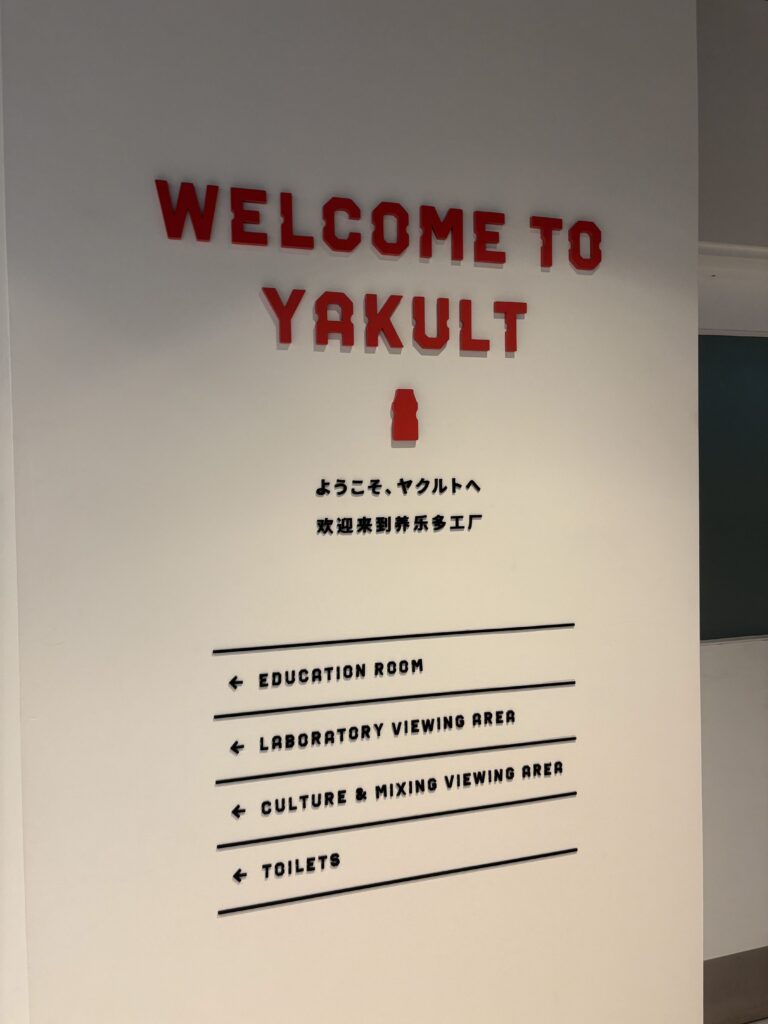
Dakota and Shreya participated in the public tour of the Yakult factory in Melbourne on January 31, 2025. They were able to get a firsthand look at the entire production process—from bottle-making to quality control.
The Tour Experience
<!-- wp:image {"id":6001,"sizeSlug":"large","linkDestination":"none"} -->
<figure class="wp-block-image size-large"><img src="https://foodmicrobiology.academy/wp-content/uploads/2025/02/IMG_0904-768x1024.jpg" alt="" class="wp-image-6001"/></figure>
<!-- /wp:image -->
<!-- wp:image {"id":6000,"sizeSlug":"large","linkDestination":"none"} -->
<figure class="wp-block-image size-large"><img src="https://foodmicrobiology.academy/wp-content/uploads/2025/02/IMG_0888-768x1024.jpg" alt="" class="wp-image-6000"/></figure>
<!-- /wp:image -->
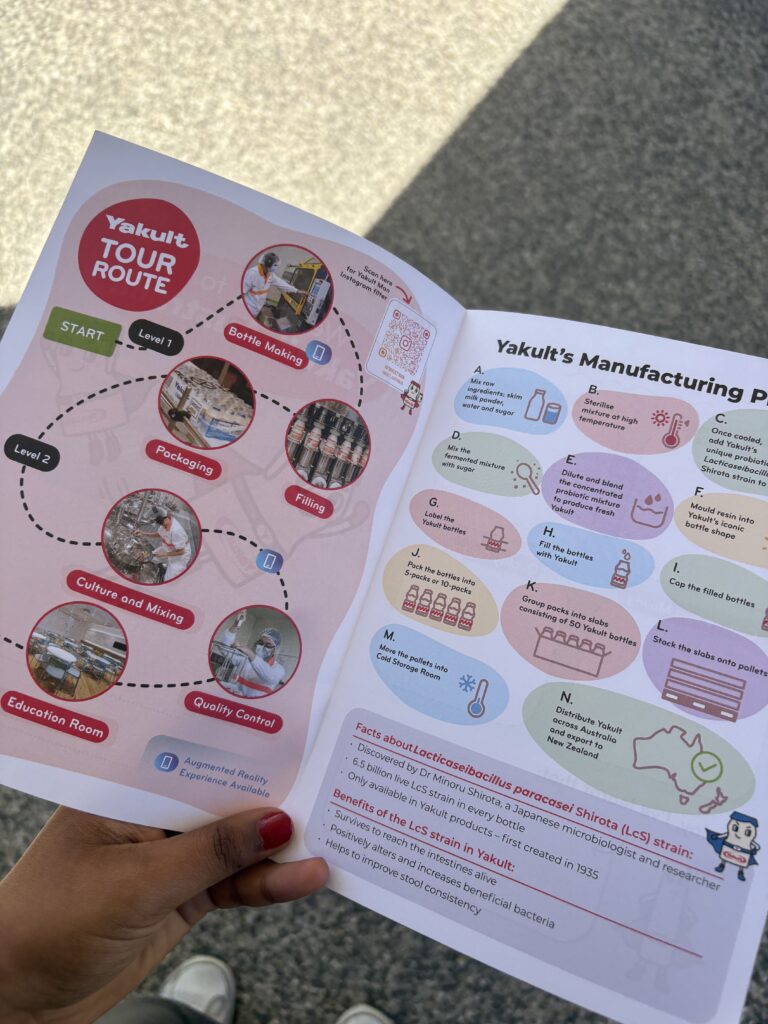
The tour followed a structured route, covering two main levels:
Level 1: Bottle making, filling, and packaging
Level 2: Culture and mixing, quality control, and the education room
Level 1: Bottle Making, Filling & Packaging
rom Plastic Beads to Yakult Bottles
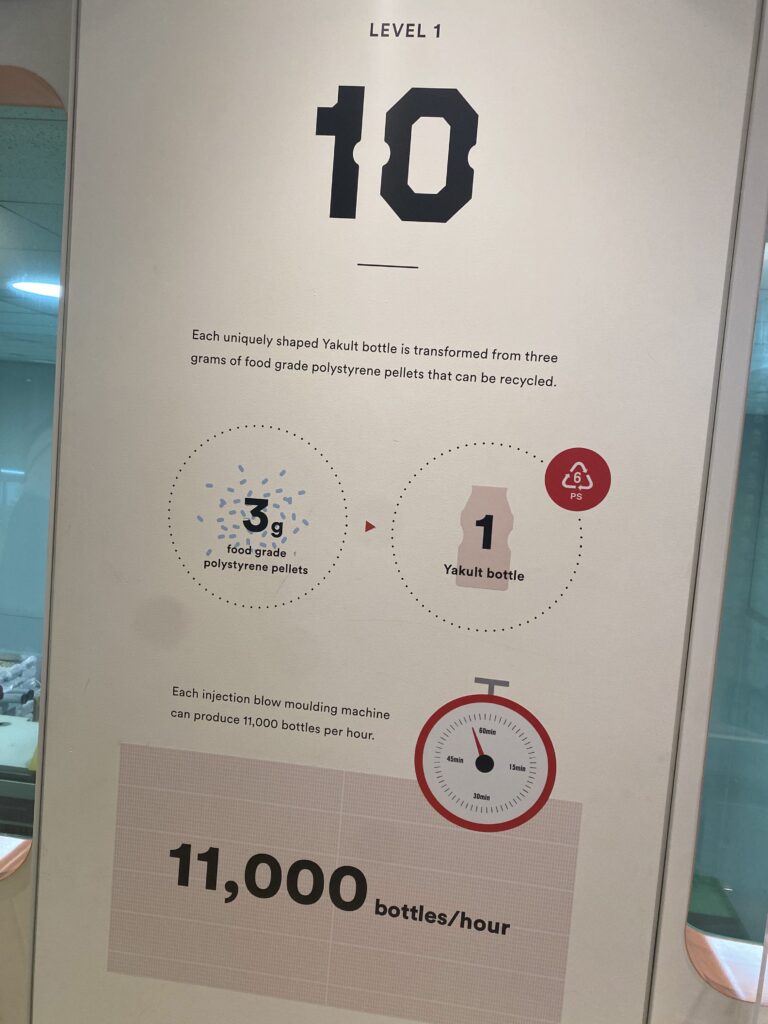
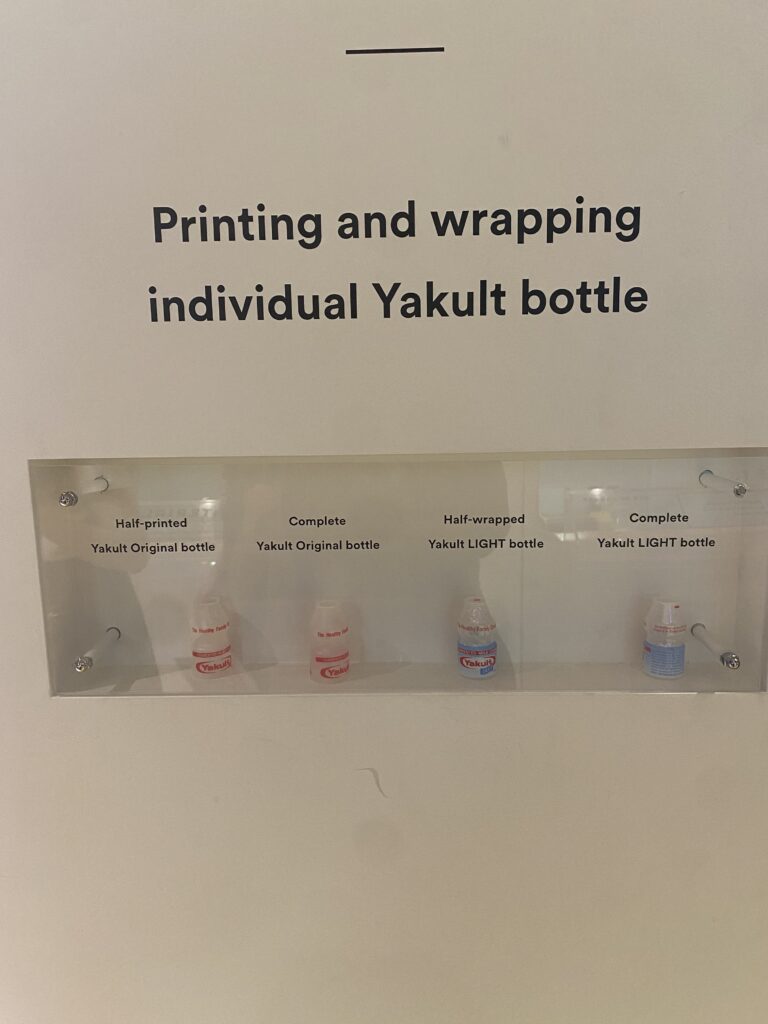
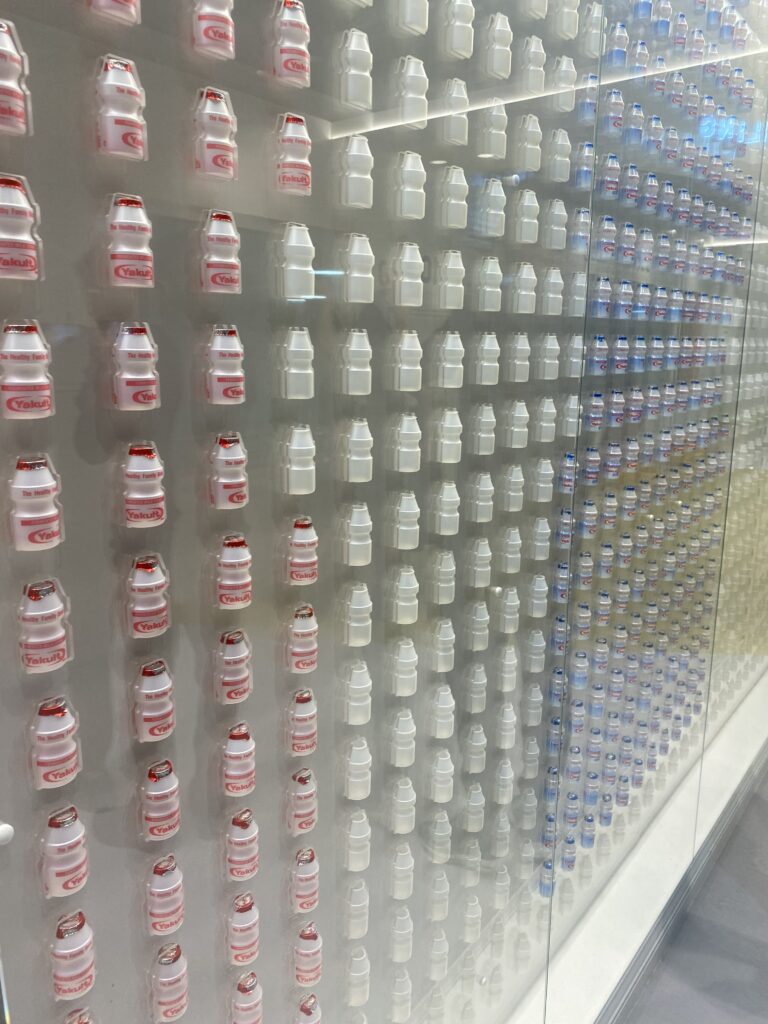
Yakult bottles aren’t pre-made—they start as tiny plastic beads, which are melted down and shaped using air pressure to form the iconic bottle design. Once the bottles are ready, they’re transported by an air suction system to the filling room, where they move through a series of high-tech machines.
<!-- wp:image {"id":5994,"sizeSlug":"large","linkDestination":"none"} -->
<figure class="wp-block-image size-large"><img src="https://foodmicrobiology.academy/wp-content/uploads/2025/02/IMG_2037-768x1024.jpg" alt="" class="wp-image-5994"/></figure>
<!-- /wp:image -->
<!-- wp:image {"id":5997,"sizeSlug":"large","linkDestination":"none"} -->
<figure class="wp-block-image size-large"><img src="https://foodmicrobiology.academy/wp-content/uploads/2025/02/IMG_2038-768x1024.jpg" alt="" class="wp-image-5997"/></figure>
<!-- /wp:image -->
<!-- wp:image {"id":5996,"sizeSlug":"large","linkDestination":"none"} -->
<figure class="wp-block-image size-large"><img src="https://foodmicrobiology.academy/wp-content/uploads/2025/02/IMG_2034-768x1024.jpg" alt="" class="wp-image-5996"/></figure>
<!-- /wp:image -->
<!-- wp:image {"id":5998,"sizeSlug":"large","linkDestination":"none"} -->
<figure class="wp-block-image size-large"><img src="https://foodmicrobiology.academy/wp-content/uploads/2025/02/IMG_2035-1-768x1024.jpg" alt="" class="wp-image-5998"/></figure>
<!-- /wp:image -->
From Bottle to Beverage
One (1) million empty bottles are on site, ready to be filled. There are 12 machines that work with remarkable precision. The diagram below shows a simplified version of how these bottles are filled and packaged, which are then later distributed all over Australia and New Zealand:
<!-- wp:paragraph -->
<p><img src="https://lh7-rt.googleusercontent.com/docsz/AD_4nXci34s-TdBg5C-S2TTPYiri4eHYYmtkXpe4tZoacIgBA9_69ZTW-u7Wx_kiat1xlFeulQqftXZJP5_kydZMBGkX37bueoHwOyx9T8S4R8dYwGLhb47x5fQum0U8vpjbxZj4m2wDDFnnQ1NYbMZsjp8?key=rzn9cqT0fhzxePf1kDJDXAtp" width="755" height="229"></p>
<!-- /wp:paragraph -->
© Copyright 2025 Yakult Australia
Machines 1-3: Ensure each bottle stands upright, ready for the next stage.
Machine 4: Stamps each bottle with the Yakult logo.
Machine 5: Specially dedicated to producing Yakult Light.
Machine 6: Fills an astonishing 700 bottles per minute!
Machine 7 & 8: Carefully create and seal the signature Yakult lids.
Machine 9: Speeds up production to keep up with global demand. It has a dual conveyor belt system, which ensures that only the best bottles make it to consumers. If a bottle isn’t filled properly, it is instantly discarded.
Machine 10 & 12: Package Yakult into convenient multi-packs, ensuring they reach supermarkets in perfect condition.
Level 2: Culture & Mixing, Quality Control, and Education Room
Strict Quality Control Measures
Quality control is an essential part of the process. The factory uses advanced sensors to check for any issues in the bottles before they leave the production line. This ensures that every bottle of Yakult meets the highest hygiene and safety standards.
The Education Room: Learning Through Animation
<!-- wp:image {"id":6003,"sizeSlug":"large","linkDestination":"none"} -->
<figure class="wp-block-image size-large"><img src="https://foodmicrobiology.academy/wp-content/uploads/2025/02/IMG_0921-1-768x1024.jpg" alt="" class="wp-image-6003"/></figure>
<!-- /wp:image -->
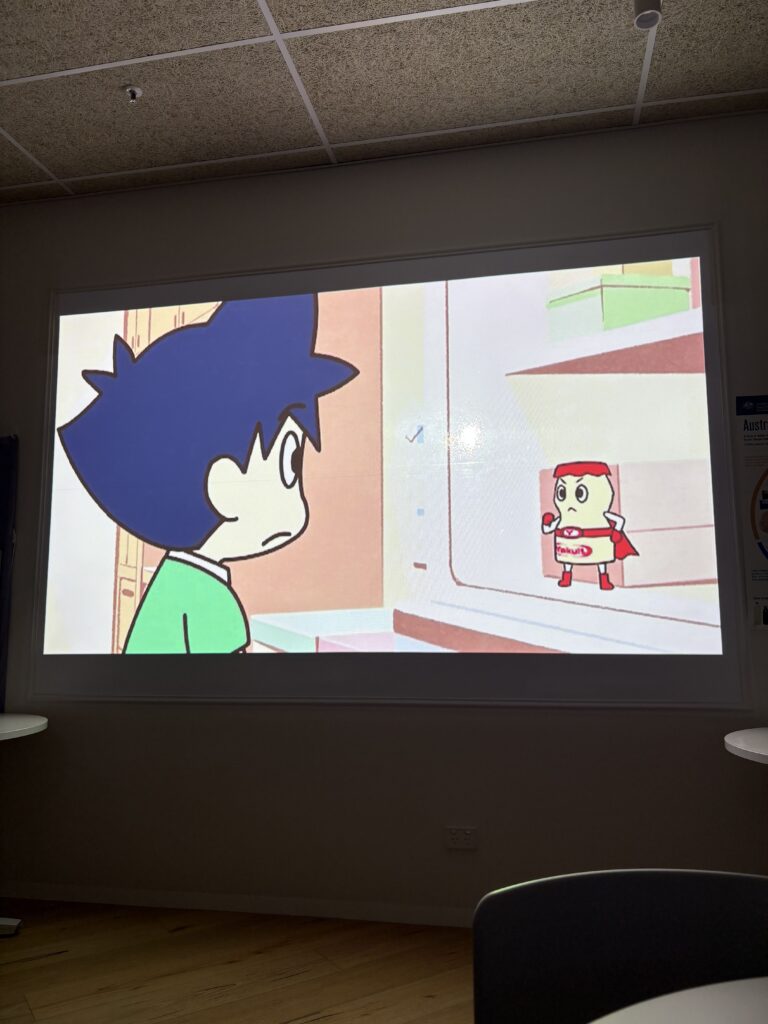
The final stop on the tour was the education room, where we watched a short, cartoon-style video explaining how Yakult works in the body. The video demonstrated how the probiotic bacteria survive the journey through the stomach and reach the intestines, where they help support a healthy gut microbiome.
The Creation of Our Favorite Beverage
Step 1: Creating the Perfect Base
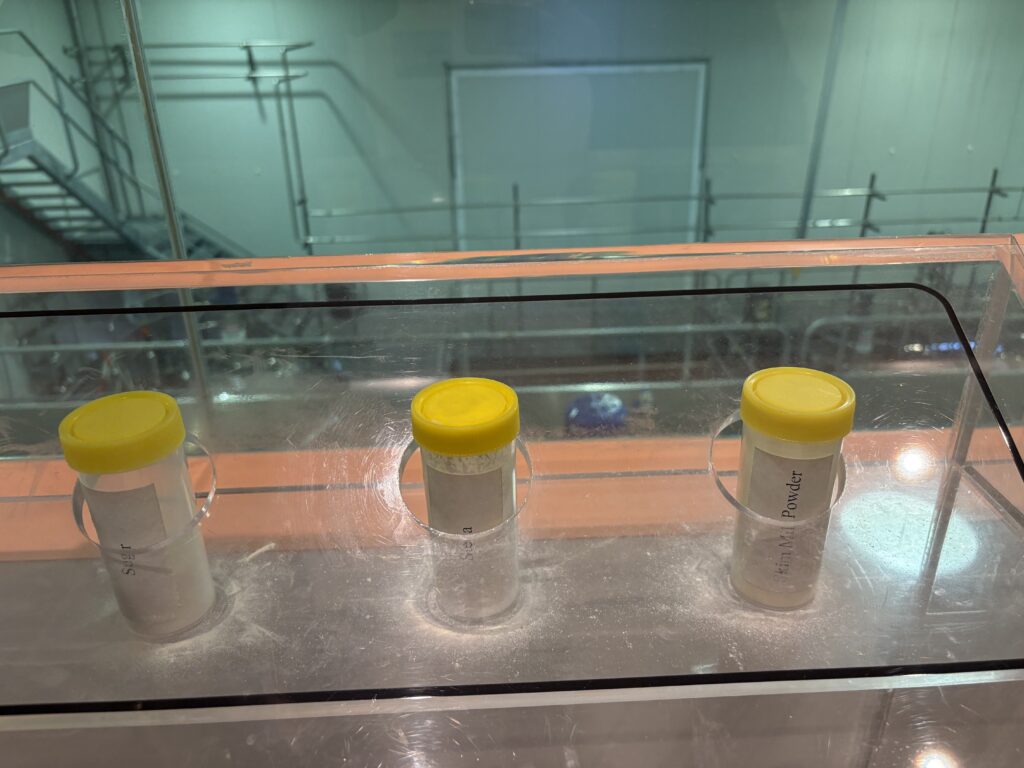
Filtered, UV-sterilised water is mixed with skim milk powder, sugar, and dextrose to form a nutrient-rich milk solution.
<!-- wp:image {"id":6004,"sizeSlug":"large","linkDestination":"none"} -->
<figure class="wp-block-image size-large"><img src="https://foodmicrobiology.academy/wp-content/uploads/2025/02/IMG_0914-1024x768.jpg" alt="" class="wp-image-6004"/></figure>
<!-- /wp:image -->
Step 2: Sterilisation for Purity
The milk solution is heated above 100°C using HTST (High Temperature, Short Time) to eliminate unwanted bacteria, ensuring a clean slate for fermentation.
Step 3: Fermentation Magic
<!-- wp:image {"id":6005,"sizeSlug":"large","linkDestination":"none"} -->
<figure class="wp-block-image size-large"><img src="https://foodmicrobiology.academy/wp-content/uploads/2025/02/IMG_0911-768x1024.jpg" alt="" class="wp-image-6005"/></figure>
<!-- /wp:image -->
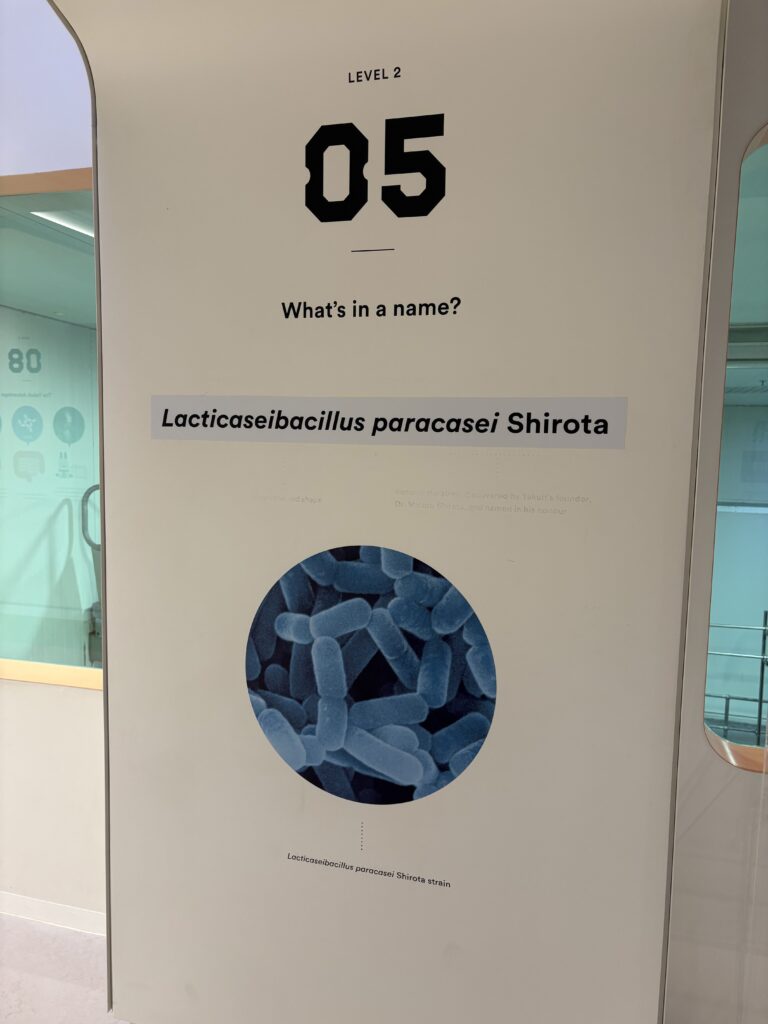
The heart of Yakult! The Lactobacillus casei Shirota strain, a trademarked probiotic, is added to the cooled milk solution, which multiplies, transforming the mixture into a probiotic powerhouse.
The scientists rigorously test every batch—bacteria are carefully counted using agar plates to ensure the right amount of probiotics is present in every sip.
Step 4: Smooth & Creamy Homogenisation
The fermented milk is pressed through tiny holes under high pressure, creating Yakult’s signature silky texture.
Step 5: Blending & Flavoring
The probiotic-rich mixture is enhanced with Yakult’s unique flavor and chilled sugar syrup, then stored in large tanks, ready for the final step.
Step 6: The Perfect Balance
Before bottling, the concentrate is diluted with sterilized water, ensuring the perfect taste and consistency in every sip!
The Interns’ Exciting Sharings
One of the best parts of the tour was getting to sample freshly made Yakult straight from the factory. It tasted just like the ones sold in stores—slightly sweet, tangy, and refreshing. Knowing that it had just been produced made the experience even more enjoyable!
The tour was an incredible experience, offering a behind-the-scenes look at how Yakult is made. Seeing the production process up close made me appreciate just how much science and precision go into each bottle.
If you ever get the chance to visit the Yakult factory, I highly recommend it! Whether you’re a longtime Yakult fan or just curious about food production, it’s a fascinating insight into one of the most popular probiotic drinks
DAKOTA
The entire Yakult factory tour was absolutely fascinating! I was especially surprised to learn that this is the only Yakult factory in all of Australia. Every single bottle produced here is distributed not just across the country but also to New Zealand—which makes sense considering the factory produces a staggering 350,000 to 400,000 bottles every day to meet demand!
Another mind-blowing fact? Each tiny bottle contains 6.5 billion live probiotics of the Lactobacillus casei Shirota strain! It’s amazing to think about the science and precision that goes into every sip of Yakult! The probiotic strain has the ability to survive until it reaches the intestines and increases bacteria that are beneficial to the body.
We booked this tour through their website, where they have allocated slots for each day. At first it wasn’t easy to get a date, and so we had to keep checking the site to get a slot as soon as possible.
SHREYA
Other Fun Facts About Yakult
<!-- wp:image {"id":6009,"sizeSlug":"large","linkDestination":"none"} -->
<figure class="wp-block-image size-large"><img src="https://foodmicrobiology.academy/wp-content/uploads/2025/02/IMG_0895-768x1024.jpg" alt="" class="wp-image-6009"/></figure>
<!-- /wp:image -->
<!-- wp:image {"id":6010,"sizeSlug":"large","linkDestination":"none"} -->
<figure class="wp-block-image size-large"><img src="https://foodmicrobiology.academy/wp-content/uploads/2025/02/IMG_0905-768x1024.jpg" alt="" class="wp-image-6010"/></figure>
<!-- /wp:image -->
One of the most surprising facts from the tour was the sheer scale of production. Every hour, 33,000 bottles are produced—and that’s just for one takeaway!
Another interesting detail is that Yakult only produces the blue version one day a week, dedicating the rest of the time to the classic red Yakult.
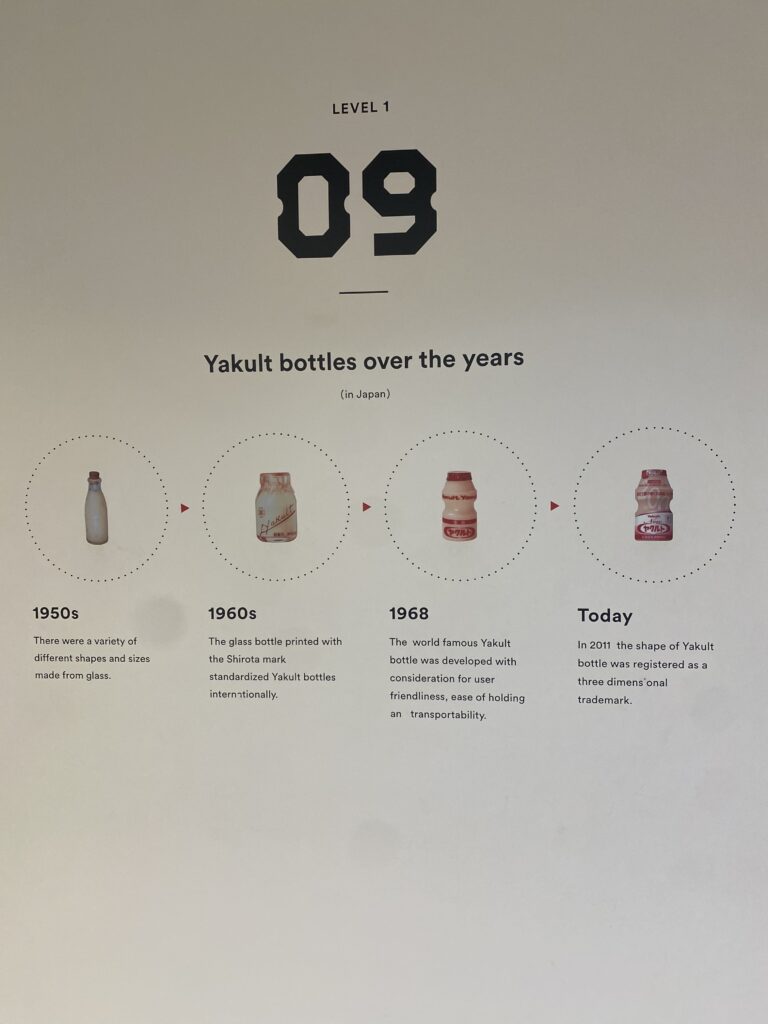
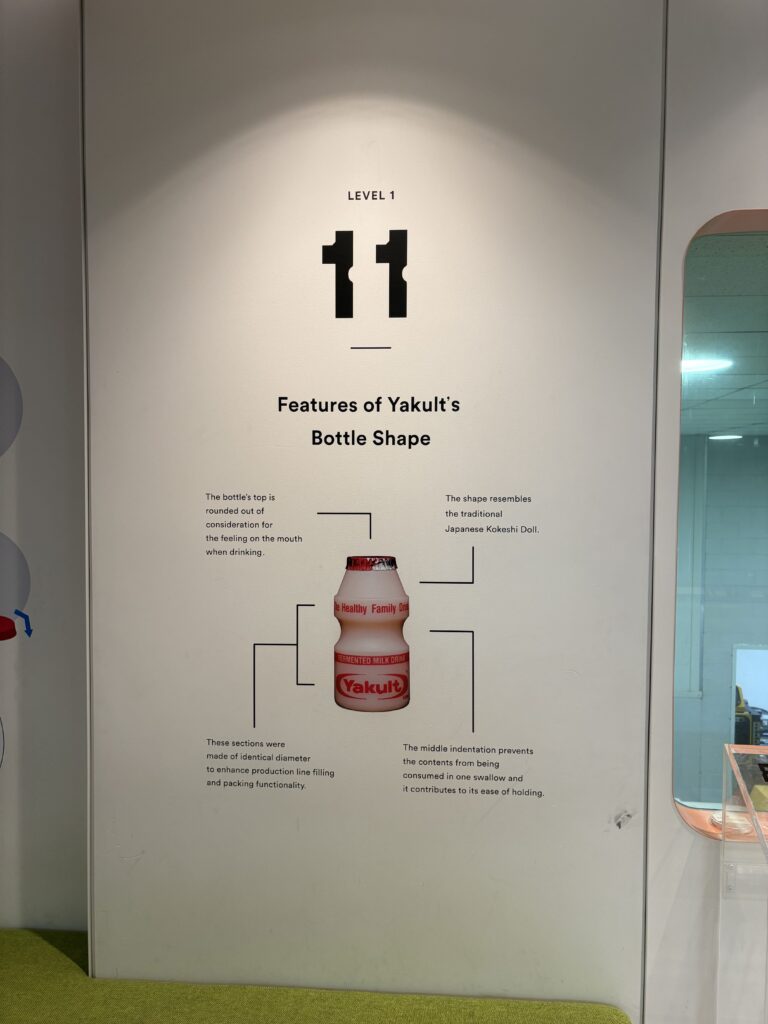
The Japanese Kokeshi Doll inspired the unique shape of the famous probiotic drink.
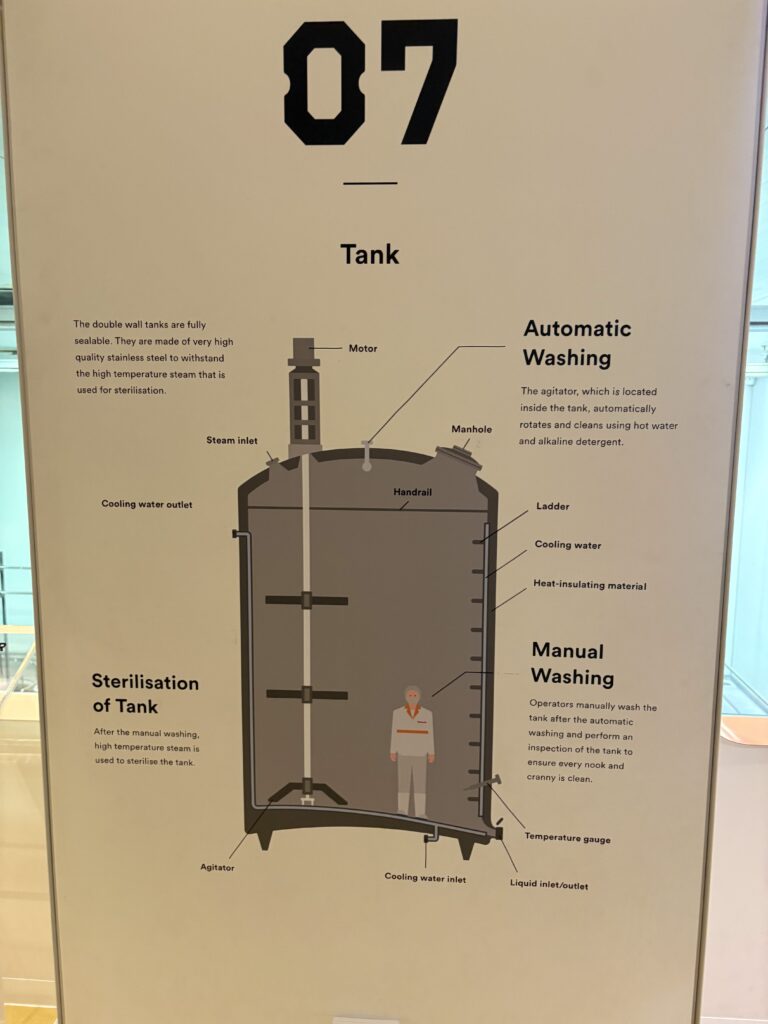
These drinks are stored in massive storage tanks. One tank can store up to 18,000 liters of Yakult to make about 360,000 Yakult bottles!
Yakult’s production process follows the strictest hygiene standards. Bottles and tanks are sterilized using a giant industrial dishwasher, and professional cleaners are even harnessed to clean hard-to-reach areas.
Let us know your favorite Yakult moments and facts in the comments below – we’d love to hear from you!